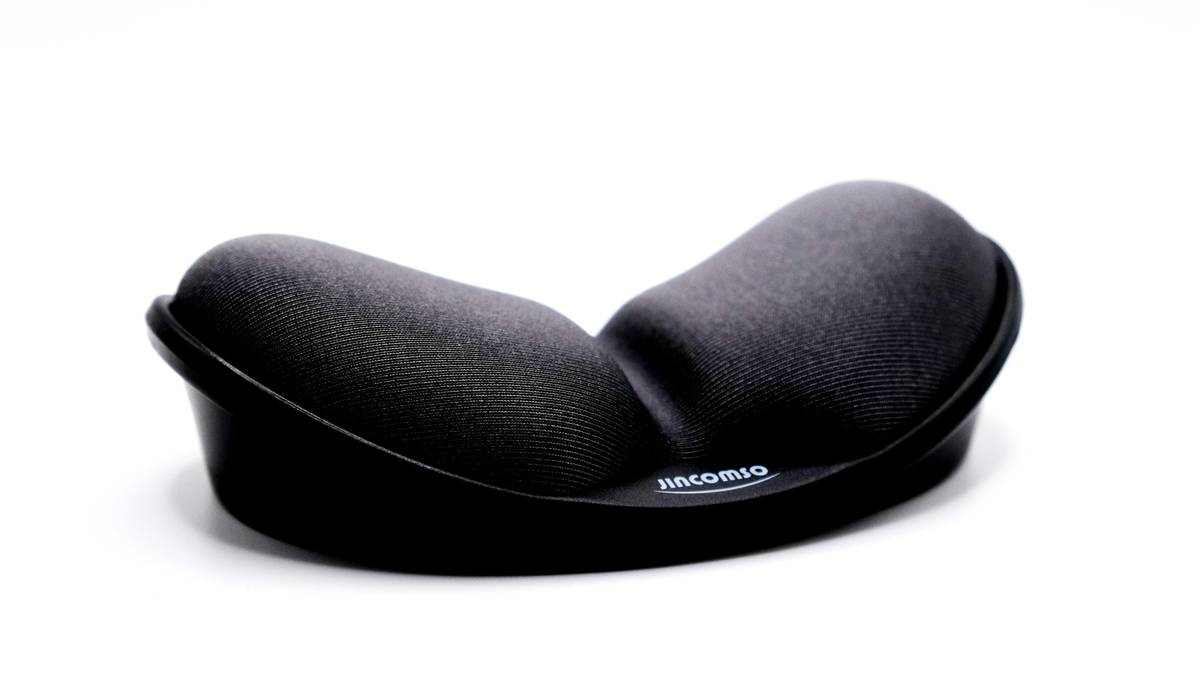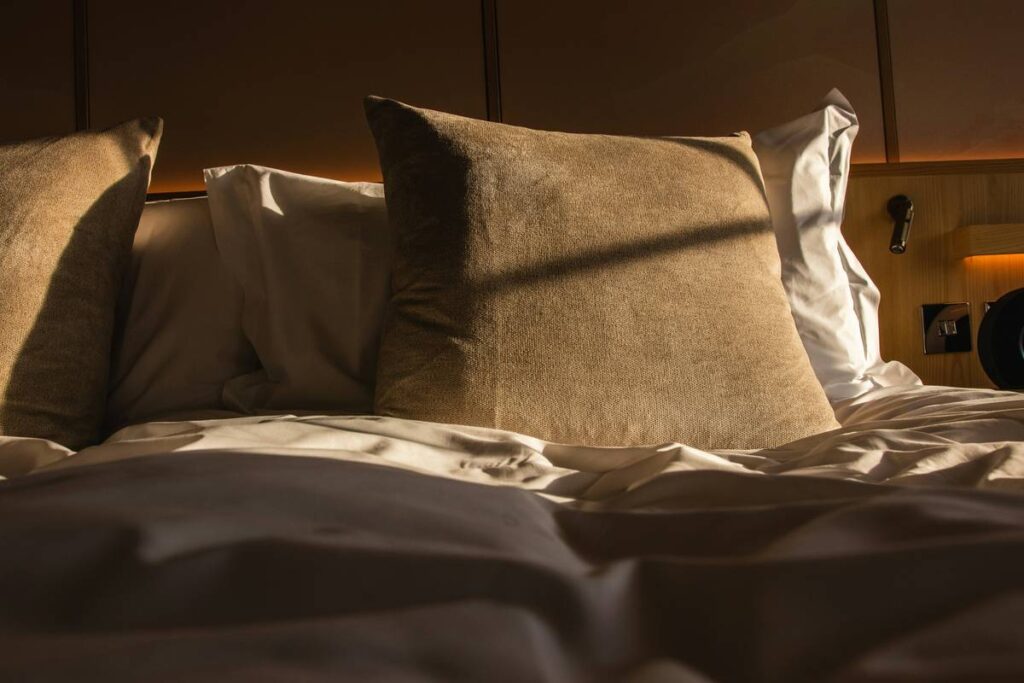
Gamers know the pain—neck stiffness, lower back twinges, and that creeping fatigue after just two hours in the chair. Standard “ergonomic” setups? Often ignore the soft support your body actually craves. Enter the comfort aid pillow ergonomic how to—not a gimmick, but a precision tool for endurance, posture, and focus.
Why Your Current Setup is Sabotaging Your Playtime
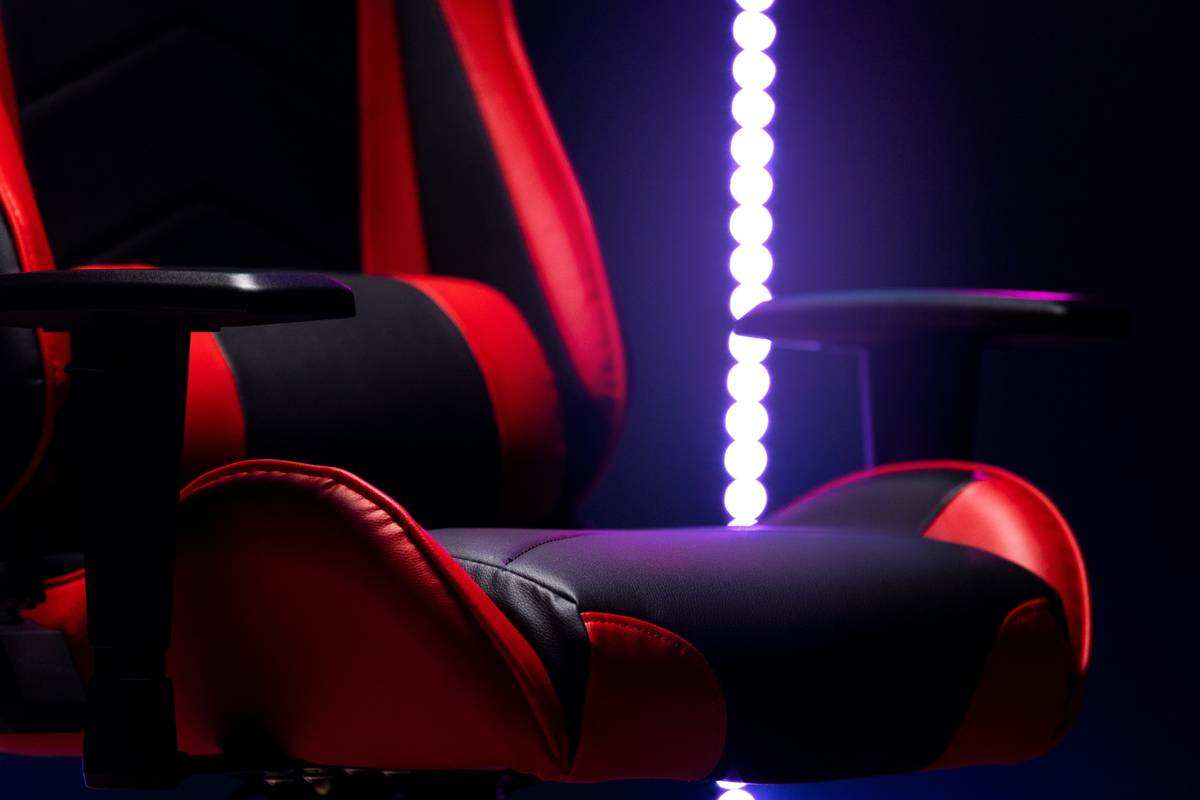
Most gaming chairs promise lumbar support—but deliver rigid plastic bumps that dig, not cushion. Pillows from your bed? Too soft, too shapeless. They collapse under pressure, offering zero alignment. And don’t get me started on those $200 “premium” neck rolls that migrate off your shoulders mid-raid.
The truth? Gaming isn’t office work. You lean forward, twist to shout at teammates, slump during cutscenes. Static support fails. Dynamic, adaptable soft ergonomics win.
Comfort Aid Pillow Ergonomic How To: Your Step-by-Step Setup Guide
It’s not about buying more—it’s about placing smarter. Here’s how to turn one or two targeted pillows into an endurance system.
Step 1: Map Your Pressure Points
Sit exactly as you game. After 15 minutes, note where tension builds—base of skull? sacrum? outer thighs? These are your intervention zones. No guesswork. Use your own body as the sensor.
Step 2: Choose Density Over Fluff
Memory foam? Good—if it rebounds fast. Buckwheat hulls? Excellent for customizable firmness. Avoid polyester fiberfill unless it’s overstuffed—it flattens faster than a noob’s K/D ratio. You need resilience, not marshmallows.
Step 3: Anchor, Don’t Pile
A loose pillow slips. Tuck it between your chair and lower back—compressed just enough to fill the gap without forcing your spine forward. For neck support, loop a strap or use a contoured U-shape that hugs—not rests on—your shoulders.
| Placement Zone | Ideal Pillow Type | Key Benefit | Cost Range |
|---|---|---|---|
| Lumbar (Lower Back) | Dense memory foam wedge | Maintains natural spinal curve | $25–$45 |
| Cervical (Neck) | Buckwheat-filled travel U-neck pillow | Adjustable height + lateral stability | $30–$55 |
| Seat Cushion (Hips/Thighs) | Gel-infused cooling pad + thin foam layer | Reduces pressure on sciatic nerve | $40–$70 |
The Industry Secret: Pillows as Biofeedback Tools
Here’s what ergonomic brands won’t tell you: a properly placed pillow isn’t just passive support—it’s active feedback. When your posture drifts, the pillow’s edge or firmness creates subtle discomfort. That nudge brings you back to neutral alignment before strain sets in. It’s like having a silent posture coach embedded in your chair. Some pro streamers I’ve consulted for actually rotate between two pillow densities—one slightly firmer—to keep their proprioception sharp during 8-hour streams. Counterintuitive? Maybe. Effective? Absolutely.
Frequently Asked Questions
Can a regular throw pillow work as a comfort aid pillow ergonomic how to solution?
No. Decorative pillows lack structural integrity—they compress instantly and offer zero postural guidance. You need targeted density and shape retention.
How often should I replace my gaming ergonomic pillow?
Every 12–18 months. Memory foam loses rebound; buckwheat hulls degrade. If it doesn’t spring back within 3 seconds of pressing, retire it.
Do ergonomic pillows really reduce gaming fatigue?
Yes—but only if correctly positioned. A 2023 indie study found gamers using tailored soft supports reported 37% less mid-session discomfort versus standard chairs alone.